IELTS Reading topic Animals
Cùng tìm hiểu chủ đề Animals thông qua các hoạt động học tập, tìm kiếm từ vựng, ôn luyện ngữ pháp và luyện tập với IELTS Fighter nha. Đây là một chủ đề thông dụng trong bài thi đó nhé.
Học và luyện chi tiết với Ms Mia qua video này:
Language Development
Vocabulary
|
English |
Phonetic |
Vietnamese |
|
bee-eater (n) |
/biː ˈiːtər/ |
|
|
beehive (n) |
/ˈbiːhaɪv/ |
|
|
breed (v,n) |
/briːd/ |
|
|
canal (n) |
/kəˈnæl/ |
|
|
chick (n) |
/tʃɪk/ |
|
|
concrete (n) |
/ˈkɑːnkriːt/ |
|
|
diet (n) |
/ˈdaɪət/ |
|
|
flock (v,n) |
/flɑːk/ |
|
|
migration (n) |
/maɪˈɡreɪʃn/ |
|
|
nest (v,n) |
/nest/ |
|
|
get rid of (v) |
/ɡet rɪd əv/ |
|
|
predator (n) |
/ˈpredətər/ |
|
|
prey (v,n) |
/preɪ/ |
|
|
stratagem (n) |
/ˈstrætədʒəm/ |
|
|
winter (v, n, adj) |
/ˈwɪntər/ |
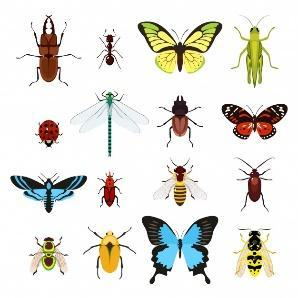
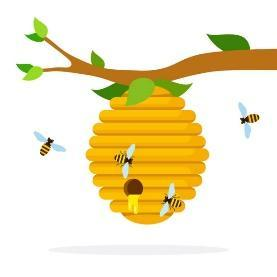
Exercise 1. Match the word with the correct image.
|
beehive |
insects |
farmland |
river valley |
|
1. ……….…………………………… |
2. ……….…………………………… |
||
|
3. ……….…………………………… |
4. ……….…………………………… |
||


Exercise 2. Match the following word/ phrase with its synonym.
|
Word |
Synonym |
|
1. remove |
A. pesticides |
|
2. a group of many birds |
B. produce offspring |
|
3. chemicals to kill insects |
C. predator |
|
4. animals that hunt and eat other animals |
D. get rid of |
|
5. a newly hatched bird |
F. flock |
|
6. breed |
G. chick |
………….. 2. ………….. 3. ………….. 4. ………….. 5. ………….. 6. …………..
Grammar
Exercise 3. Identify the type of the underlined words.
|
Sentence |
Underlined word type |
|
Example: Bee-eaters from Hungary and other parts of Central and Eastern Europe cross the Mediterranean Sea and Arabian Desert to winter in southern Africa. |
Verb |
|
1. European bees pass the winter by sleeping in their hives. |
|
|
2. In April, they return to Europe. |
|
|
3. Their return was predicted. |
|
|
4. Birds build nests by digging tunnels in riverbanks. |
|
|
5. When nesting, small birds receive food from their parents. |
|
|
6. Bee-eaters prey on bees. |
|
|
7. Bee-eaters’ preys are bees. |
Relative clause
Relative clause (Mệnh đề quan hệ) là một mệnh đề đi theo sau một danh từ/cụm danh từ để bổ sung thông tin cho danh từ/cụm danh từ đó.
Mệnh đề quan hệ thường bắt đầu bằng các Đại từ quan hệ (who, whom, which, that, whose, why, when, where).
Các đại từ quan hệ có thể đóng vai trò Chủ ngữ (that, which, who), Tân ngữ (that, which, whom), Trạng ngữ (why, when, where) hoặc Định ngữ cho 1 danh từ khác (whose + Danh từ)
Example: European bee-eaters (Merops apiaster) form families that breed in the spring and summer across an area that extends from Spain to Kazakhstan.
Trong câu ví dụ trên đây có tới 2 mệnh đề quan hệ:
- Noun: “families”
Relative clause: “that breed in the spring and summer”
Translate: “những gia đình mà sinh sản vào mùa xuân và mùa hè.”
- Noun: “an area”
Relative clause: “that extends from Spain to Kazakhstan.”
Translate: “1 khu vực mà trải dài từ Tây Ban Nha đến Kazakhstan.”
Dịch nghĩa cả câu: “Chim ăn ong châu Âu (Merops apiaster) tạo thành những gia đình (mà) sinh sản vào mùa xuân và mùa hè trên khắp 1 khu vực (mà) trải dài từ Tây Ban Nha đến Kazakhstan.”
Exercise 4. Analyze the noun and relative clause then translate the following sentences.
1. He is a British ornithologist who has studied European bee-eaters for more than 45 years.
Noun: ………………………………………………………………………………………………………………………….
Relative clause: …………………………………………………………………………………………………………
Translate: …………………………………………………………………………………………………………………..
2. Their journey which is long and dangerous happens annually.
Noun: ………………………………………………………………………………………………………………………….
Relative clause: …………………………………………………………………………………………………………
Translate: …………………………………………………………………………………………………………………..
3. A river valley which is formed by the flow of a river is the bee-eaters’ natural habitat.
Noun: ………………………………………………………………………………………………………………………….
Relative clause: …………………………………………………………………………………………………………
Translate: …………………………………………………………………………………………………………………..
4. Bee-eaters’ breeding sites which are usually located near river banks are disappearing.
Noun: ………………………………………………………………………………………………………………………….
Relative clause: …………………………………………………………………………………………………………
Translate: …………………………………………………………………………………………………………………..
Exam Focus
Sentence Completion
Đối với dạng bài Sentence Completion (Điền từ để hoàn thành câu), kỹ năng xác định từ loại cần điền là kỹ năng vô cùng cơ bản và cần thiết.
Các bước làm bài Sentence Completion:
Bước 1. Đọc đề bài để biết số lượng từ cần điền trong mỗi chỗ trống.
Bước 2. Dựa vào các từ đã có sẵn trong câu, phân tích cấu trúc ngữ pháp của câu văn và suy luận ra từ loại của từ còn thiếu.
Bước 3. Dựa vào nghĩa của câu văn để đoán ra nghĩa của từ còn thiếu.
Bước 4. Đọc và tìm đáp án.
Áp dụng các bước làm bài trên vào câu hỏi sau:
|
Write NO MORE THAN TWO WORDS from the passage for each answer. 1. Because of .……………………….. almost one-third of bee-eaters do not survive migration. 2. Bee-eaters make nests in .……………………….., which they build themselves. 3. One problem for bee-eaters is .……………………….., which have reduced the amount of food available. |
Bạn được điền không quá 2 từ trong mỗi chỗ trống, các từ phải được tìm thấy trong bài đọc.
1. Because of .……………………….. almost one-third of bee-eaters do not survive migration.
Phân tích ngữ pháp: Sau “because of” chắc chắn phải là danh từ hoặc cụm danh từ (Noun/Noun phrase)
Dịch nghĩa: Vì …, gần 1/3 số chim ăn ong không thể sống sót sau cuộc di cư.
Vậy từ còn thiếu là một yếu tố gây nên cái chết của rất nhiều chim ăn ong.
2. Bee-eaters make nests in .……………………….., which they build themselves.
Phân tích ngữ pháp: Sau các giới từ như in, on, of, at, gần như luôn luôn là danh từ hoặc cụm danh từ (Noun/Noun phrase). Sau từ còn thiếu là mệnh đề quan hệ, vậy nên chắc chắn từ cần điền là danh từ hoặc cụm danh từ. Mệnh đề quan hệ bổ sung thêm 1 thông tin cực kỳ quan trọng: địa điểm đó do những con chim tự xây dựng nên.
Dịch nghĩa: Chim ăn ong làm tổ trong những …, cái mà chúng tự xây nên.
Vậy nên từ còn thiếu phải là một danh từ chỉ địa điểm nơi chim ăn ong làm tổ. 3. One problem for bee-eaters is .……………………….., which have reduced the amount of food available.
Phân tích ngữ pháp: sau động từ tobe “is” có thể là danh từ hoặc tính từ (trong các cấu trúc thường), hoặc là V-ing (thì Hiện tại tiếp diễn) hoặc V PII (cấu trúc câu bị động), cũng có thể là cụm giới từ (in/on/at, v.v). Sau từ còn thiếu là có mệnh đề quan hệ, vậy nên chắc chắn từ cần điền là danh từ hoặc cụm danh từ.
Dịch nghĩa: Một vấn đề đối với những loài chim ăn ong là …………, điều làm giảm lượng thức ăn sẵn có.
Vậy từ còn thiếu phải là một danh từ chỉ vấn đề làm giảm lượng thức ăn của loài chim ăn ong.
Hãy cùng làm thêm bài tập bên dưới để nâng cao kỹ năng nha.
|
The life of the European bee-eater A brilliant movement of colour as it catches its food in the air, the European bee-eater moves between three continents. European bee-eaters (Merops apiaster) form families that breed in the spring and summer across an area that extends from Spain to Kazakhstan. Farmland and river valleys provide huge numbers of insects. Flocks of bee-eaters follow tractors as they work fields. When the birds come upon a beehive, they eat well - a researcher once found a hundred bees in the stomach of a bee-eater near a hive. European bees pass the winter by sleeping in their hives, which cuts off the bee-eater's main source of food. So, in late summer, bee-eaters begin a long, dangerous journey. Massive flocks from Spain, France and northern Italy cross the Sahara Desert to their wintering grounds in West Africa. Bee-eaters from Hungary and other parts of Central and Eastern Europe cross the Mediterranean Sea and Arabian Desert to winter in southern Africa. 'It's an extremely risky stratagem, this migration,' says C. Hilary Fry, a British ornithologist who has studied European bee-eaters for more than 45 years. 'At least 30 percent of the birds will be killed by predators before they make it back to Europe the following spring.' In April, they return to Europe. Birds build nests by digging tunnels in riverbanks. They work for up to 20 days. By the end of the job, they've moved 15 to 26 pounds of soil - more than 80 times their weight. The nesting season is a time when families help each other, and sons or uncles help feed their father's or brother's chicks as soon as they come out of their eggs. The helpers benefit, too: parents with helpers can provide more food for chicks to continue the family line. It's a short, spectacular life. European bee-eaters live for five to six years. The difficulties of migration and avoiding predators along the way affect every bird. Bee-eaters today also find it harder to find food, as there are fewer insects around as a result of pesticides. Breeding sites are also disappearing, as rivers are turned into concrete-walled canals. |
Questions 1 - 8
Write NO MORE THAN TWO WORDS from the passage for each answer.
1.Bee-eaters’ preys are bees and other .………………………..
2.Bee-eaters need to remove the .……………………….. from bees before eating them.
3.There is plenty of food for bee-eaters on agricultural land and in .………………………..
4.Bee-eaters migrate to spend the winter in different parts of .………………………..
5.Because of .……………………….. almost one-third of bee-eaters do not survive migration.
6.Bee-eaters make nests in .……………………….., which they build themselves.
7.When nesting, the .……………………….. receive food from different family members.
8.One problem for bee-eaters is .……………………….., which have reduced the amount of food available.
Questions 9 – 12
Do the following statements agree with the information given in the Reading Passage?
In boxes 9-12 on your answer sheet, write
TRUE - if the statement agrees with the information
FALSE - if the statement contradicts the information
NOT GIVEN - if there is no information on this
9.European bee-eaters give birth to their offspring in many places in Africa.
10.The average lifespan of a European bee-eater is 10 – 12 years.
11.Bee-eaters’ food source and habitat are reducing due to human activities.
12.Bee-eaters are immune to poison.
Đáp án:
Language Development. Exercise 1
|
1 |
farmland |
|
2 |
insects |
|
3 |
river valley |
|
4 |
beehive |
Language Development. Exercise 2
|
1 |
D |
|
2 |
F |
|
3 |
A |
|
4 |
C |
|
5 |
G |
|
6 |
B |
Language Development. Exercise 3
|
1 |
Noun |
|
2 |
Verb |
|
3 |
Noun |
|
4 |
Noun |
|
5 |
Verb |
|
6 |
Verb |
|
7 |
Noun |
Language Development. Exercise 4
|
1. Noun: British ornithologist Relative clause: who has studied European bee-eaters for more than 45 years Translate: Ông ấy là một nhà điểu học người Anh, người đã nghiên cứu những loài ăn ong ở châu Âu trong hơn 45 năm. |
|
2. Noun: Their journey Relative clause: which is long and dangerous Translate: Cuộc hành trình dài và nguy hiểm của họ xảy ra hàng năm. |
|
3. Noun: A river valley Relative clause: which is formed by the flow of a river Translate: Thung lũng sông được hình thành bởi dòng chảy của sông là môi trường sống tự nhiên của những loài ăn ong. |
|
4. Noun: Bee-eaters’ breeding sites Relative clause: which are usually located near river banks Translate: Địa điểm sinh sản của những loài ăn ong thường nằm gần các bờ sông đang dần biến mất. |
Practice
Questions 1-8
|
1 |
insects |
5 |
predators |
|
2 |
poison |
6 |
tunnels |
|
3 |
river alleys |
7 |
chicks |
|
4 |
Africa |
8 |
pesticides |
Questions 9-12
|
9 |
FALSE |
|
10 |
FALSE |
|
11 |
TRUE |
|
12 |
NOT GIVEN |
Đọc thêm bài: Phương pháp làm 10 dạng Reading hiệu quả