IELTS Speaking topic Home - Vocab + Sample Answer
Chúng ta cùng tìm hiểu một số câu hỏi Speaking theo mỗi Part chủ đề Home, decoration home để thử tập trả lời, nâng cao kỹ năng của mình nhé.
Speaking part 1 Sample Home
What colour would you choose to paint the walls of your room?
Light hues make me feel cosy and tranquil; thus, I'd want to paint my walls light yellow or light green. Among those, I think bright blue is also one of the most aesthetically pleasing, which can soothe and refresh us after a long day.
| tranquil | /ˈtræŋkwɪl/ | adj | yên tĩnh |
| aesthetically | /iːsˈθetɪkli/ | adv | có tính thẩm mỹ |
What colour would you never use in your home?
Without a doubt, I am not fanatical about dark shades like black, brown, etc. Because in my opinion, homes tend to transmit unpleasant vibes while using certain hues. Second, that colour does not distribute light throughout your room, therefore my response is that I have never painted my room a dark tone.
| fanatical | /fəˈnætɪkl/ | adj | mê đắm, cuồng |
| transmit | /trænzˈmɪt/ | v | truyền tải |
| distribute | /dɪˈstrɪbjuːt/ | v | phần phát |
| throughout | /θruːˈaʊt/ | adv | khắp nơi, toàn bộ |
Which room does your family spend most of the time in?
Actually, the living room is where my family and I spend most of our time together. We may take pleasure in the peaceful environment here. Since spending time as a family is vital to us, we constantly aim to make "family time" a part of every day.
| take pleasure in | /teɪk ˈplɛʒər ɪn/ | v phr | thích, tận hưởng niềm vui |
What do you like about your flat?
I like that I am in the centre of the city my apartment location is in the centre of the city I don’t have to go too far for something, for example, I don’t have to travel long to the railway station or the airport I think I like about my flat is it’s very compact whenever I want to go out I just lock the main door, and that’s it, and my house is safe that’s what I like about my flat.
| railway station | /ˈreɪlweɪ steɪʃn/ | n phr | trạm dừng xe lửa |
| compact | /kəmˈpækt/ | adj | gọn nhẹ |
What can you see from the windows where you live?
Well, my room's window allows me to see a lot of things. I watch people work out in the morning, birds soar over the sky, and the light looks lovely as it rises. The window also looks out into a little lake that is pretty near to my house, which is wonderful. The view is quite stunning, and there are many shrubs and flowers around!
| stunning | /ˈstʌnɪŋ/ | adj | kinh ngạc, cực kỳ hấp dẫn, ấn tượng |
| shrub | /ʃrʌb/ | n | cây bụi |
Do you prefer living in a house or a flat?
Well, for me, I would definitely buy a house in the future. I've always been in favour of owning a home. Even if homes are more expensive, I prefer them since they are more convenient and provide me total flexibility. I detest the thought of utilising communal lifts and parking in apartment complexes.
| in favour of | /ɪn ˈfeɪvər ɒv/ | prep phr | có thiện cảm với ai/cái gì; ủng hộ ai/cái gì |
| flexibility | /ˌfleksəˈbɪləti/ | n | tính mềm dẻo; tính linh hoạt |
| detest | /diˈtest/ | v | ghét, rất ghét |
| utilize / utilising | /ˈjuːtəlaɪz/ / /ˈjuːtəlaɪzɪŋ/ | v / v-ing | sử dụng / việc sử dụng |
What would you like to change in your flat?
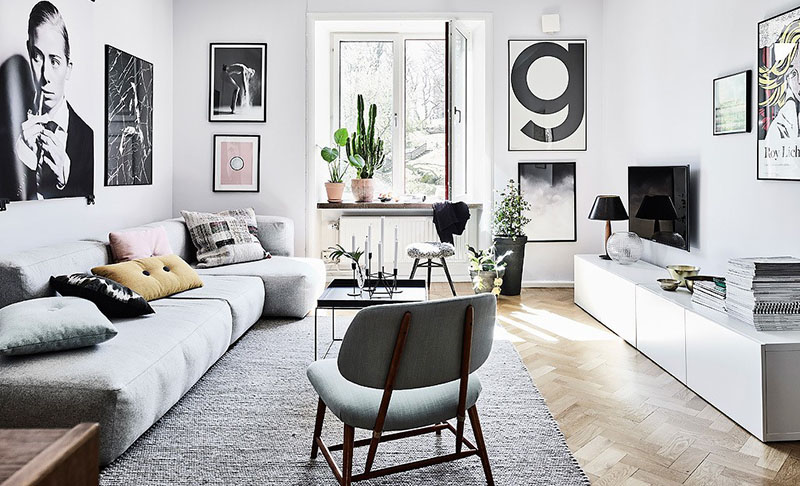
Though I love my flat a lot the way it is if I have to say about something to be altered, I would like to change the colour of the painting which we did in our flat right now, which is just a plain cream colour. I want to make it attractive by giving some acrylic colours or bright colours as it will perfectly match our antique decorative items.
| alter | /ˈɔːltə(r)/ | v | thay đổi |
| attractive | /əˈtræktɪv/ | adj | hấp dẫn |
| antique | /ænˈtiːk/ | adj | cổ, đồ cổ |
| acrylic | /əˈkrɪlɪk/ | adj | một loại vải/nhựa được sản xuất hóa học |
Xem thêm: 200 bài mẫu IELTS Speaking Part 1
Speaking part 2 Sample
An item bought for home
Describe something you liked very much which you bought for your home.
You should say:
- What you bought
- When and where you bought it
- Why you chose this particular thing. And explain why you liked it so much
Bài mẫu:
Roughly a year ago I went on a trip to Chicago for a conference. This was by no means a pleasure trip, but of course I set some time aside to go shopping for some souvenirs and things I needed back in Vietnam. I decided to go to a place called T.J. Maxx, which is a sort of outlet store combined with flea market structure. You never really know what you’re going to find when you walk through the front doors, but you know it will be a bargain.
I browsed through the store and got basic things on my list but then came across two white ceramic salt shakers shaped like dinosaurs. It was love at first sight seeing a small T-rex and a Triceratops looking back at me from the counter, they were just begging to go home with me. You see, I love dinosaurs, I have since I was a little kid, I also adore kitschy things like this, and thought it would be the perfect addition to my growing pile of decorations at home. Unfortunately, only one survived extinction on the journey back home. It seems that the baggage handlers were too rough with my bags or I simply did not pack them securely enough, the Triceratops arrived broken in Hanoi, such a terrible loss.
The T-rex now stands majestically in my dining table reigning supreme, and it’s a great conversation starter when I have people over for a meal or just to hang out at my place.
Useful Expressions
| flea market | /fliː ˈmɑːkɪt/ | n phr | chợ trời |
| kitschy | /ˈkɪʧi/ | adj | bóng bẩy, kiểu cách |
| majestic | /məˈʤɛstɪk/ | adj | một cách huy hoàng, oai vệ (gốc là adj, sửa theo nghĩa) |
| roughly | /ˈrʌfli/ | adv | khoảng, xấp xỉ |
| by no means | /baɪ nəʊ miːnz/ | idiom | hoàn toàn không, chắc chắn không phải |
| set aside | /sɛt əˈsaɪd/ | v phr | dành riêng, để riêng |
| souvenir | /ˌsuːvəˈnɪə(r)/ | n | quà lưu niệm |
| bargain | /ˈbɑːɡən/ | n | món hời, đồ mua được với giá tốt |
| browse | /braʊz/ | v | xem lướt qua, đi xem quanh |
| come across | /kʌm əˈkrɒs/ | v phr | tình cờ bắt gặp |
| addition | /əˈdɪʃn/ | n | sự bổ sung, món được thêm vào |
| securely | /sɪˈkjʊəli/ | adv | một cách chắc chắn, cẩn thận |
| conversation starter | /ˌvɒnvəˈseɪʃn ˈstɑːtə(r)/ | n phr | thứ giúp mở đầu câu chuyện |
Relaxing Place at Home
Describe your favorite place in your house where you can relax
- Where it is
- What it is like
- What you enjoy doing there
And explain why you feel relaxed at this place
* Outline
| Introduction |
The place: A small, sunlit balcony attached to my bedroom. What it is like: It is a cozy corner decorated with a few hanging plants, a comfortable wooden armchair, and a small side table for my coffee. Significance: It serves as my private haven where the stress of a busy workday simply melts away. |
| Story |
What I enjoy doing there: I primarily use this space for my morning coffee rituals or to unwind in the evening with a classic novel. The routine: During the weekends, I often spend hours here listening to ambient music or practicing mindfulness while overlooking the quiet street below. The atmosphere: The soft breeze and the greenery from my plants create a serene environment that is hard to find anywhere else in the house. |
| Opinion |
Why I feel relaxed: It is the only place in my home that is completely free from digital screens and work-related distractions. Conclusion: This balcony is essential for my mental well-being. It provides the perfect balance of fresh air and solitude, allowing me to recharge my batteries for the upcoming week. |
* Sample Answer
While many people prefer relaxing in their living rooms, my absolute favorite spot to decompress is a small, charming balcony connected to my bedroom.
The space is quite minimalist but very inviting. I’ve personally decorated it with some lush, hanging ferns and a vintage wooden armchair that I found at a local market. On the small side table, there’s always a scented candle and a stack of books. It’s a very intimate space that feels entirely separate from the rest of the house.
My typical routine involves heading out there right after work. I usually brew a pot of herbal tea and spend at least thirty minutes just sitting in silence or reading. Because it’s an outdoor space, I get to feel the natural breeze and watch the sky change colors during sunset. This simple connection to the outdoors is incredibly soothing after spending eight hours staring at a computer screen managing digital content.
I feel deeply relaxed there because it’s a "no-tech zone." There is no buzzing of notifications or the pressure of unanswered emails. The tranquility of the balcony acts as a buffer between my professional life and my personal time. It’s where I go to center myself and find clarity.
Ultimately, having this small sanctuary has made a world of difference for my productivity and mood. It’s a reminder that we don't need a massive garden or a luxury spa to find peace; sometimes, just a few square meters of quiet space is more than enough to rejuvenate the soul.
Vocabulary Highlights
| haven | /ˈheɪvn/ | n | nơi trú ẩn an toàn và yên tĩnh |
| unwind | /ˌʌnˈwaɪnd/ | v | nghỉ ngơi, thư giãn sau một thời gian làm việc căng thẳng |
| serene | /səˈriːn/ | adj | thanh bình, tĩnh lặng |
| solitude | /ˈsɒlətjuːd/ | n | sự biệt lập, trạng thái ở một mình nhưng theo hướng tích cực |
| decompress | /ˌdiːkəmˈpres/ | v | giải tỏa áp lực, thư giãn |
| minimalist | /ˈmɪnɪməlɪst/ | adj | tối giản |
| intimate | /ˈɪntɪmət/ | adj | riêng tư, thân mật |
| soothing | /ˈsuːðɪŋ/ | adj | dịu dàng, làm giảm sự đau đớn hay lo âu |
| tranquility | /træŋˈkwɪləti/ | n | sự bình yên, tĩnh lặng |
| center oneself | /ˈsɛntər wʌnˈsɛlf/ | idiom | tìm lại sự bình tĩnh và tập trung |
| sanctuary | /ˈsæŋktʃuəri/ | n | thánh đường, nơi trú ẩn cực kỳ yên tĩnh |
| rejuvenate | /rɪˈdʒuːvəneɪt/ | v | làm sảng khoái, tiếp thêm năng lượng mới |
Part 3 Sample
Relaxing Place at Home
1. Why is it difficult for some people to relax?
In my opinion, the struggle to relax is primarily a byproduct of modern hustle culture and the 'digital tether' that keeps us connected to our professional lives 24/7. Many individuals suffer from a form of 'productivity guilt,' where they feel that any moment not spent working is a moment wasted. For instance, even during their downtime, people find themselves reflexively checking notifications, which prevents total mental detachment. As a result, the brain remains in a state of high alert, making it nearly impossible to access the restorative benefits of true relaxation.
| hustle culture | /ˈhʌsl ˈkʌlʧə/ | n phr | văn hóa hối hả/làm việc quá sức |
| mental detachment | /ˈmɛntl dɪˈtæʧmənt/ | n phr | sự tách rời về mặt tâm trí (không nghĩ về công việc) |
| restorative state | /rɪsˈtɔːrətɪv steɪt/ | n phr | trạng thái phục hồi |
2. What are the benefits of doing exercise?
Physical exercise is undeniably a cornerstone of long-term health, offering profound benefits for both physiological strength and psychological resilience. Engaging in regular activity triggers the release of 'feel-good' hormones like endorphins, which are essential for mitigating the effects of daily stress. For example, individuals who incorporate moderate cardio into their routine often report significantly improved sleep patterns and higher energy levels. Ultimately, consistent exercise is the most effective way to foster a holistic sense of well-being and prevent a myriad of chronic lifestyle diseases.
| psychological resilience | /ˌsaɪkəˈlɒʤɪkəl rɪˈzɪlɪəns/ | n phr | sự kiên cường/khả năng phục hồi về tâm lý |
| mitigating | /ˈmɪtɪɡeɪtɪŋ/ | adj / v-ing | giảm thiểu (tác động tiêu cực) |
| holistic well-being | /həʊˈlɪstɪk wɛl-ˈbiːɪŋ/ | n phr | sự khỏe mạnh toàn diện (sửa lỗi gõ lặp well-wellbeing) |
3. Do people in your country exercise after work?
There is currently a burgeoning fitness trend in my country, particularly among young urban professionals who are becoming increasingly health-conscious. As people become more aware of the risks associated with a sedentary desk job, the post-work gym session has become a standard ritual for many. For instance, in cities like Ho Chi Minh City, public squares and fitness clubs are typically teeming with people at dusk. This cultural shift toward an active lifestyle is a positive response to the sedentary nature of modern corporate life, helping individuals maintain their physical vitality.
| burgeoning trend | /ˈbɜːʤənɪŋ trɛnd/ | n phr | xu hướng đang phát triển mạnh mẽ |
| sedentary lifestyle | /ˈsɛdənˌteri ˈlaɪfstaɪl/ | n phr | lối sống ít vận động/ngồi nhiều |
| physical vitality | /ˈfɪzɪkəl vaɪˈtælɪti/ | n phr | sức sống/sinh lực về thể chất |
4. What is the place where people spend most of their time at home?
While the bedroom is technically where we spend the most hours, the living room has undoubtedly become the functional heart of the modern home. It serves as a versatile space that accommodates everything from communal entertainment to remote work and social bonding. For example, it is the primary epicenter where family members congregate to unwind after a long day, whether by streaming content or engaging in conversation. As a result, there is a growing emphasis on creating open-plan living areas that prioritize both comfort and social connectivity.
| multifunctional center | /ˌmʌltɪˈfʌŋkʃənl ˈsɛntə/ | n phr | trung tâm đa năng |
| epicenter | /ˈɛpɪˌsɛntə/ | n | tâm điểm/trung tâm |
| social connectivity | /ˈsəʊʃəl ˌkɒnɛkˈtɪvɪti/ | n phr | sự kết nối xã hội |
5. Do you think there should be classes for training young people and children how to relax?
I am firmly of the opinion that relaxation and mindfulness training would be an invaluable addition to the modern educational curriculum. Children today are subjected to intense academic competition and 'digital overstimulation,' which can take a heavy toll on their mental health. For instance, incorporating simple meditation or breathing exercises into the school day could provide students with the tools to manage stress autonomously. By institutionalizing these coping mechanisms, we can ensure that the next generation is better equipped to handle the emotional complexities of the modern world.
| invaluable addition | /ɪnˈvæljʊəbl əˈdɪʃn/ | n phr | sự bổ sung vô giá |
| digital overstimulation | /ˈdɪʤɪtl ˌəʊvəˌstɪmjʊˈleɪʃən/ | n phr | sự quá tải kích thích từ kỹ thuật số |
| coping mechanisms | /ˈkəʊpɪŋ ˈmɛkənɪzmz/ | n phr | cơ chế đối phó (với căng thẳng/khó khăn) |
6. Which is more important, mental relaxation or physical relaxation?
I believe that mental and physical relaxation are inextricably linked, making it impossible to prioritize one over the other. Our psychological state profoundly influences our physical well-being; for example, chronic anxiety often manifests as muscle tension or headaches. Conversely, a physically exhausted body can lead to cognitive fatigue and irritability. To achieve true rejuvenation, one must find an equilibrium between a calm mind and a rested body. Ultimately, relaxation is a holistic process where the mind and body must be harmonized to function at their peak.
| inextricably linked | /ɪnˈɛks-trɪkəbli lɪŋkt/ | adv phr | gắn kết chặt chẽ, không thể tách rời |
| equilibrium | /ˌiːkwɪˈlɪbrɪəm/ | n | trạng thái cân bằng |
| rejuvenation | /rɪˌʤuːvɪˈneɪʃən/ | n | sự trẻ hóa/phục hồi sức sống |
Creating a nice home
1. Why do some people buy lots of things for their home?
I’ve never really thought about this, but it could be because we simply try to make our home as pleasant as it can be. After all, isn’t that the goal of a home? A place where we can relax and feel safe. So we decorate it in a way that makes us feel comfortable in it. We pick colors for it, we add patterns to it, we bring in smells, we keep adding to the space we have until we feel in control over it. You can also buy things with the goal of giving specific purpose to any spaces in your home, like say, creating an office, an exercise room, etc. And finally simply the act of holding onto memories can a fill a home with items too.
| pleasant | /ˈpleznt/ | adj | dễ chịu, thoải mái |
| decorate | /ˈdekəreɪt/ | v | trang trí |
| pattern | /ˈpætən/ | n | hoa văn, họa tiết |
| specific purpose | /spəˈsɪfɪk ˈpɜːpəs/ | n phr | mục đích cụ thể |
| hold onto memories | /həʊld ˈɒntuː ˈmeməriz/ | v phr | lưu giữ ký ức |
2. Do you think it is very expensive to make a home look nice?
I’m not a rich person, so it comes down to how much work I’m willing to put in and how creative and thrifty I can be as well. There are new trends in home decor that focus not only on making a space pretty, but also functional. Which means you can have a table that is also a storage space for example. That helps reduce costs by making things multipurpose. And I like crafting things, so I’m happy making things with my own hands that I can later use at home. Otherwise, if you have money to spare, I would think it’s as easy as pointing at what you want and showing your credit card.
| come down to | /kʌm daʊn tuː/ | v phr | phụ thuộc vào, quy về |
| thrifty | /ˈθrɪfti/ | adj | tiết kiệm, biết chi tiêu hợp lý |
| home decor | /həʊm ˈdeɪkɔːr/ | n | trang trí nội thất |
| functional | /ˈfʌŋkʃənl/ | adj | có tính ứng dụng, hữu dụng |
| multipurpose | /ˌmʌltiˈpɜːpəs/ | adj | đa năng, có nhiều công dụng |
3. Why don’t some people care about how their home looks?
I think everyone has their own style, and something like how a place looks can be extremely subjective. I could find a sofa extremely comfortable and lovely while you could take a look at it and feel it’s the ugliest thing you have ever seen, but I won’t care because the look wasn’t my primary concern when getting it. It could also be simply due to the hectic lives people live nowadays, sometimes there’s just not enough time to make organizing your home a priority. A home becomes just a place you sleep in, so how it looks doesn’t really matter as long as it gets the job done.
| subjective | /səbˈdʒektɪv/ | adj | mang tính chủ quan |
| primary concern | /ˈpraɪməri kənˈsɜːn/ | n phr | mối quan tâm chính |
| hectic | /ˈhektɪk/ | adj | bận rộn, tất bật |
| priority | /praɪˈɒrəti/ | n | sự ưu tiên |
| get the job done | /ɡet ðə dʒɒb dʌn/ | idiom | hoàn thành chức năng, làm được việc cần làm |
Different types of home
1. In what ways is living in a flat/apartment better than living in a house?
I have recently made the switch to living in an apartment after being in houses all my life and it has been quite an adjustment. Apartments are smaller than houses and that can be a strong point depending on your style of living and if you figure out how to maximize the space you have. The size will also make it much simpler to keep clean, and most places will even add in cleaning services if you’re lucky. Security is definitely better in an apartment as well, usually you’ll have a single entrance with some sort of security and the amount of people living in the building can also help as a deterrent for thieves. And finally, apartments tend to be positioned in areas with more urban development around, which means you’ll have everything you need close by.
| make the switch | /meɪk ðə swɪtʃ/ | v phr | chuyển sang một lựa chọn mới |
| adjustment | /əˈdʒʌstmənt/ | n | sự thích nghi, điều chỉnh |
| maximize | /ˈmæksɪmaɪz/ | v | tối đa hóa |
| deterrent | /dɪˈterənt/ | n | yếu tố ngăn chặn, làm nản lòng |
| urban development | /ˈɜːbən dɪˈveləpmənt/ | n phr | sự phát triển đô thị |
2. Do you think homes will look different in the future?
I think with the advances that technology has made in the last 20 years, we’ll see even more tech brought into homes than we currently have. Whether it be for comfort, entertainment or utility, it seems inevitable as spaces become smaller and everything seems a bit more cramped. I would also hope to see homes become more environmentally aware through recycling, using sustainable materials and using renewable energy sources. And who knows, maybe we’ll even be living underwater or underground, everything is possible in the future.
| advance | /ədˈvɑːns/ | n | sự tiến bộ, bước phát triển |
| utility | /juːˈtɪləti/ | n | tính tiện ích, công dụng |
| inevitable | /ɪnˈevɪtəbl/ | adj | không thể tránh khỏi, tất yếu |
| sustainable materials | /səˈsteɪnəbl məˈtɪəriəlz/ | n phr | vật liệu bền vững |
| renewable energy sources | /rɪˈnjuːəbl ˈenədʒi ˈsɔːsɪz/ | n phr | nguồn năng lượng tái tạo |
3. Do you agree that the kinds of homes people prefer change as they get older?
I think preferences give way to necessity as people age. A little shoebox of an apartment is fine when you’re a 20-year-old student who doesn’t do more than sleep at home, but as you grow older, get married, have kids, what you prefer is suddenly overruled by what you need. You have a choice then, you either adapt on your own terms or find yourself being forced to adapt. I think that’s what causes the change in preferences, a change in situation.
| preference | /ˈprefrəns/ | n | sở thích, sự ưu tiên |
| give way to | /ɡɪv weɪ tuː/ | v phr | nhường chỗ cho |
| necessity | /nəˈsesəti/ | n | sự cần thiết, nhu cầu thiết yếu |
| overrule | /ˌəʊvəˈruːl/ | v | lấn át, gạt bỏ |
| adapt | /əˈdæpt/ | v | thích nghi, điều chỉnh theo hoàn cảnh |
Trên đây là kiến thức về chủ đề Home, các bạn cùng tham khảo đồng thời thử tự trả lời nhé.
Luyện tập thêm: