
Luyện đề Writing Task 1: The process of making cheese
Process có nhiều quy trình khá là khó, ví dụ như đề về the process of making cheese mà chúng ta sẽ luyện tập hôm nay. Hãy cùng thử viết bài và tham khảo bài viết bên dưới nha.
Bài mẫu the process of making cheese
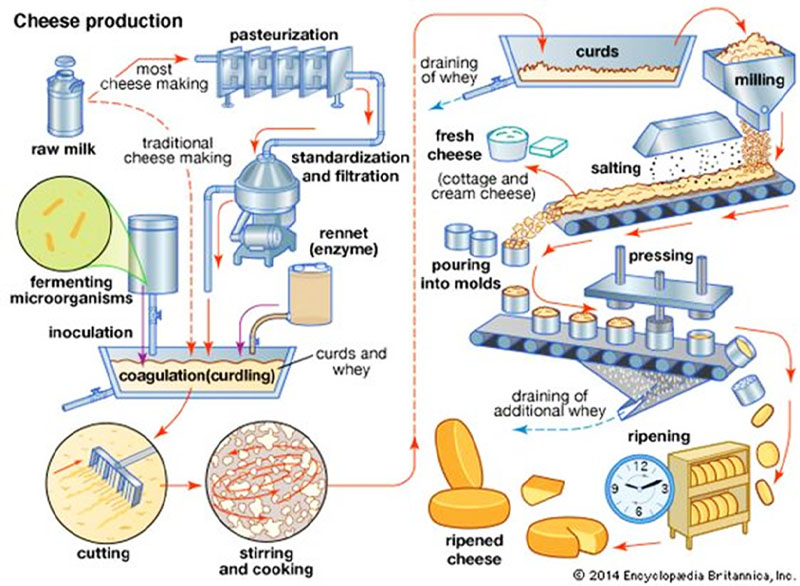
The diagram below shows the process of making cheese. Summarise the information by selecting and reporting the main features and make comparisons where relevant.
Brainstorming
Xác định các giai đoạn chính của quy trình
- Chuẩn bị sữa - Bao gồm tiếp nhận sữa thô, thanh trùng, chuẩn hóa và lọc.
- Hình thành sữa đông - Bao gồm bước ủ, thêm rennet và đông tụ.
- Xử lý sữa đông - Bao gồm cắt, khuấy và nấu sữa đông.
- Tách váng sữa - Bao gồm việc xả váng sữa và ép sữa đông.
- Ướp muối - Giai đoạn này tạo thêm hương vị và giúp bảo quản phô mai.
- Ủ chín - Đây là giai đoạn cuối cùng mà phô mai phát triển hương vị và kết cấu đặc trưng của nó.
Xác định chi tiết đáng lưu ý:
- Sơ đồ phân biệt giữa sản xuất phô mai truyền thống và sản xuất phô mai tươi (phô mai tươi và phô mai kem).
- Thanh trùng không phải là yêu cầu bắt buộc trong quá trình sản xuất phô mai truyền thống.
Từ vựng quan trọng
- linear /ˈlɪniər/ (adj) : dạng đường thẳng
- pasteurize /ˈpæsʧəraɪz/ (v) : tiệt trùng
- coagulate /koʊˈæɡjəleɪt/ (v) : đông tụ
- mechanical treatment /məˈkænɪkəl ˈtritmənt/ (n phr) : xử lý cơ học
- curds /kɜrdz/ (n) : cục sữa đông
- molds /moʊldz/ (n) : khuôn
- plate heat exchanger /pleɪt hit ɪksˈʧeɪnʤər/ (n phr) : bộ trao đổi nhiệt dạng tấm bản
- standardize /ˈstændərdaɪz/ (v) : chuẩn hóa
- filter /ˈfɪltər/ (v) : lọc
- microorganisms /ˌmaɪkroʊˈɔrɡənɪzəmz/ (n) : vi sinh vật
- coagulum /koʊˈæɡjələm/ (n) : khối đông tụ
- grains /ɡreɪnz/ (n) : hạt
- to be drawn off /tu bi drɔn ɔf/ (v phr) : được ép ra
- to be milled /tu bi mɪld/ (v phr) : được nghiền nhỏ
- chips /ʧɪps/ (n) : vụn phô mai nhỏ
- to be salted /tu bi ˈsɔltɪd/ (v phr) : được ướp muối
- granular cheese /ˈɡrænjələr ʧiz/ (n phr) : phô mai dạng hạt
- to be molded /tu bi ˈmoʊldɪd/ (v phr) : được đổ vào khuôn
- whey expulsion /weɪ ɪkˈspʌlʃən/ (n phr) : tách váng sữa (whey)
- cheese variety /ʧiz vəˈraɪəti/ (n phr) : loại phô mai
- hooped cheese /hupt ʧiz/ (n phr) : phô mai khuôn tròn
- ripen /ˈraɪpən/ (v) : chín
- the initial four stages /ði ɪˈnɪʃəl fɔr steɪdʒɪz/ (n phr) : 4 giai đoạn đầu
- the final five stages /ðə ˈfaɪnəl faɪv steɪdʒɪz/ (n phr) : 5 giai đoạn sau
- followed by /ˈfɑloʊd baɪ/ (v phr) : theo sau là
- subsequently /ˈsʌbsɪkwəntli/ (adv) : sau đó
- be later V3 /bi ˈleɪtər vi θriː/ (v phr) : sau đó được...
- finally /ˈfaɪnəli/ (adv) : cuối cùng
- Technical term /ˈteknɪkəl tɜrm/ (n phr) : ngôn ngữ chuyên gia
- process /ˈprɑses/ (v) : xử lý
- undergo /ˌʌndərˈɡoʊ/ (v) : trải qua
- bypass /ˈbaɪˌpæs/ (v) : bỏ qua
- trigger thickening /ˈtrɪɡər ˈθɪkənɪŋ/ (v phr) : kích hoạt quá trình đông cứng
- formation of curds /fɔrˈmeɪʃən əv kɜrdz/ (n phr) : sự hình thành sữa đông
- seasoning /ˈsizənɪŋ/ (n) : thêm gia vị
- remaining mixture /rɪˈmeɪnɪŋ ˈmɪksʧər/ (n phr) : hỗn hợp còn lại
- metal mould /ˈmetl moʊld/ (n phr) : khuôn kim loại
- extract /ɪkˈstrækt/ (v) : loại bỏ
- a period of maturation /ə ˈpɪriəd əv ˌmætʃəˈreɪʃən/ (n phr) : 1 thời gian ủ
- pasteurization /ˌpæs.tʃər.aɪˈzeɪ.ʃən/ (n) - The process of heating milk to kill bacteria: tiệt trùng.
- coagulation /koʊˌæɡ.jəˈleɪ.ʃən/ (n) - The process of a liquid becoming thickened or solidified: đông tụ.
- curds /kɜːdz/ (n) - The thickened part of milk after coagulation, used for making cheese: phần đông.
- whey /weɪ/ (n) - The liquid remaining after milk has been curdled and strained: phần nước whey.
- ripening /ˈraɪ.pən.ɪŋ/ (n) - The process of maturing cheese to enhance its flavor and texture: quá trình chín (phô mai).
Phân tích và viết bài chi tiết
Hướng dẫn viết, phân tích kỹ cách viết (nên lập bố cục ra sao, phân tích ntn, từ vựng, cấu trúc có thể phù hợp):
Outline 1:
| Mở bài | Paraphrase ngắn gọn đề bài: sơ đồ cho thấy quy trình sản xuất phô mai. |
| Thân bài 1 |
Chế biến sữa Bước đầu tiên liên quan đến việc thu thập sữa thô. có hai phương pháp chính để chế biến sữa: ‘phương pháp truyền thống’ và ‘hầu hết các phương pháp làm phô mai’ hiện nay. (Đối với hầu hết các phương pháp làm phô mai, sữa trải qua quá trình thanh trùng, chuẩn hóa và lọc). Giải thích ngắn gọn từng quy trình: Thanh trùng: làm nóng sữa để tiêu diệt vi khuẩn có hại. Chuẩn hóa + Lọc: đảm bảo chất lượng và độ an toàn Trong quá trình làm phô mai truyền thống, các bước này bị bỏ qua. Bất kể phương pháp nào được sử dụng để chế biến sữa, bước tiếp theo là ủ (thêm rennet và men vi sinh vật vào sữa). Rennet là một loại enzyme giúp sữa đông lại (đông lại). Khi quá trình đông lại hoàn tất, sữa đông và váng sữa được tách ra. Sữa đông là các hạt rắn cuối cùng sẽ trở thành phô mai. Váng sữa là chất lỏng còn lại sau khi sữa đông đã tách ra. |
| Thân bài 2 |
Có hai cách chính để sữa đông sau khi tách khỏi váng sữa: trở thành phô mai tươi hoặc phô mai chín. - Phô mai tươi được làm bằng cách:
- Để làm phô mai chín, sữa đông được:
|
Full sample
The given linear man-made process vividly illustrates the various steps involved in ripened cheese production.
At first glance, it is immediately obvious that the making of cheese comprises ten stages. It begins with pasteurizing raw milk, which is then followed by coagulating the pretreated milk prior to some mechanical treatment, and finally finishes with pressing the curds into molds and ripening.
In almost all cheese production lines, with the exception of traditional methods, the first step is to pasteurize the fresh milk using a plate heat exchanger to remove bacteria, before standardizing and filtering it by an automatic system to ensure the milk quality and safety. In the following stage, called coagulation, the milk coagulates and forms two separate components - curds and whey under the effect of fermenting microorganisms and a specific type of enzyme known as Rennet. The coagulum is then cut into grains which are stirred and cooked afterwards.
Subsequently, the remaining whey waste in the curds continues to be drawn off before the milling process takes place. Afterwards, the milled chips of cheese are salted to produce fresh cheese, such as cottage or cream cheese. Otherwise, the granular cheese will be molded and pressed to assist final whey expulsion and produce another cheese variety called ripened cheese in a stage called ripening, when the hooped cheese is left to ripen for a certain period of time.
(233 words, band 8.0+)
Outline 2
| Introduction | Introduce the diagram, explaining that it illustrates the process of cheese production from raw milk to ripened cheese. |
| Overview | Provide a general summary of the process, highlighting the main stages involved, from milk preparation to final maturation. |
| Body Paragraph 1 | Describe the initial stages, including milk pasteurization, standardization, filtration, and coagulation. |
| Body Paragraph 2 | Explain the subsequent stages, from curd processing to salting, pressing, and ripening. |
Sample
The diagram illustrates the process of cheese production, detailing the stages involved from the treatment of raw milk to the final ripened cheese.
Overall, the production involves several key steps, including pasteurization, standardization, coagulation, and the processing of curds into ripened cheese. The procedure combines both mechanical and biochemical processes.
The process begins with raw milk, which undergoes pasteurization to kill harmful bacteria. The milk is then standardized and filtered before enzymes such as rennet are added to induce coagulation. This results in the separation of curds and whey, with the whey being drained off. The curds are then cut, stirred, and cooked to prepare for further processing.
Following this, the curds are milled and salted to enhance flavor. They are then poured into molds and pressed to shape the cheese while draining additional whey. The formed cheese is left to ripen under controlled conditions until it achieves the desired texture and flavor. At this stage, the cheese is ready for packaging and distribution.
Vietnamese Translation
Biểu đồ minh họa quy trình sản xuất phô mai, mô tả các giai đoạn từ xử lý sữa thô đến phô mai chín.
Nhìn chung, quá trình sản xuất bao gồm nhiều bước quan trọng, bao gồm tiệt trùng, tiêu chuẩn hóa, đông tụ và chế biến phần đông thành phô mai chín. Quy trình này kết hợp cả cơ học và sinh hóa.
Quá trình bắt đầu với sữa thô, được tiệt trùng để loại bỏ vi khuẩn có hại. Sữa sau đó được tiêu chuẩn hóa và lọc trước khi thêm các enzyme như rennet để kích thích quá trình đông tụ. Kết quả là tách phần đông và nước whey, phần nước whey được loại bỏ. Phần đông sau đó được cắt, khuấy và nấu để chuẩn bị cho giai đoạn tiếp theo.
Tiếp theo, phần đông được nghiền và ướp muối để tăng hương vị. Chúng được đổ vào khuôn và ép để định hình phô mai, đồng thời loại bỏ nước whey còn lại. Phô mai đã hình thành được để chín trong điều kiện kiểm soát cho đến khi đạt được kết cấu và hương vị mong muốn. Lúc này, phô mai đã sẵn sàng để đóng gói và phân phối.
Sample 3
The diagram shows how cheese is made step-by-step. Overall, the process consists of nine distinct stages, beginning with the processing of fresh milk and concluding with the creation of ripened cheese as the final product.
The initial four stages of cheese production offer two processing options. In the majority of methods, the milk undergoes pasteurization, followed by standardization and filtration. However, traditional methods bypass these steps entirely. Subsequently, the milk is combined with fermenting microorganisms and rennet, which triggers thickening and the formation of curds. The curds are later cut, stirred, and cooked.
The final five stages of the journey involve draining the whey from the curds, milling them into smaller pieces, and seasoning them with salt to create fresh cheeses like cottage and cream cheese. The remaining mixture is then poured into metal moulds and pressed to extract any remaining whey. Finally, after a period of maturation, the cheese is fully formed and ready to be enjoyed. (158 words)
Band score: 7.0-7.5
Với những từ vựng và gợi ý viết bài trên, bạn hãy thử hoàn thành một bài viết theo đầy đủ 4 tiêu chí chấm thi, sử dụng các từ vựng đan xen nhé. Bài viết này mới cơ bản tầm band 7+ thôi, thời gian tới IELTS Fighter sẽ bổ sung thêm các bài mẫu khác để nâng band hay hơn cho bạn tham khảo.
Ngoài để về Phô mát khó xơi này, các bạn có thể cùng tham khảo thêm các đề về:
Hướng dẫn viết và bài mẫu Writing Task 1 Process: Apple juice, Geothermal, Hydroelectric
IELTS Writing Task 1 The development of cutting tools in the Stone Age - Đề hòn đá